
Repair & Recovery Research
GenoPept’s Repair & Recovery Research range covers the peptides most studied in preclinical models of tissue repair, inflammation and immune signalling: BPC-157, TB-500 (thymosin beta-4 fragment), the copper peptides GHK-Cu and AHK-Cu, Thymosin Alpha-1, LL-37, KPV, ARA-290 and the Wolverine, GLOW and KLOW blends. Every batch is ≥99% purity, verified by HPLC and LC-MS at an independent ISO/IEC 17025 laboratory with a batch Certificate of Analysis.
Laboratories can buy repair and recovery research peptides in the UK with discreet, tracked Royal Mail dispatch. All products are supplied for in-vitro laboratory research only and are not for human or veterinary use.
Showing all 11 results
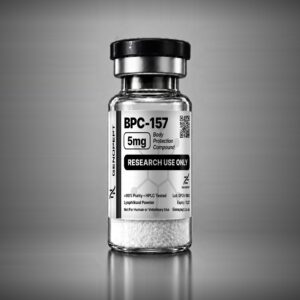
BPC-157 (Body Protection Compound)
Repair & Recovery Research Price range: £10.00 through £45.00Clear2mg5mg10mg20mg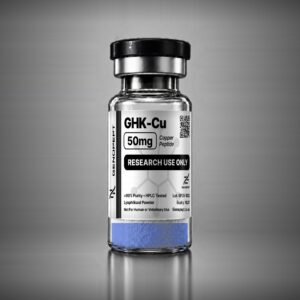
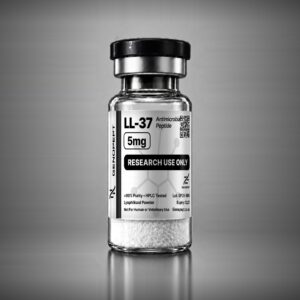
LL-37 (Cathelicidin Antimicrobial Peptide)
Repair & Recovery Research Price range: £39.00 through £59.00Clear5mg10mg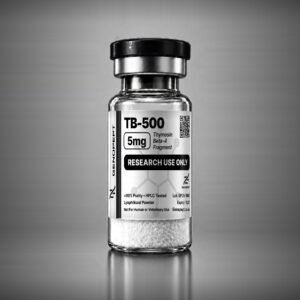
TB-500 (Thymosin Beta-4 Fragment)
Repair & Recovery Research Price range: £15.00 through £55.00Clear2mg5mg10mg20mg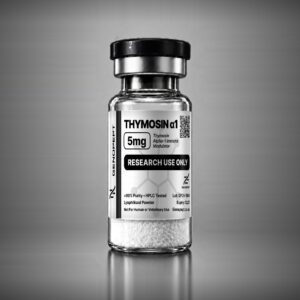
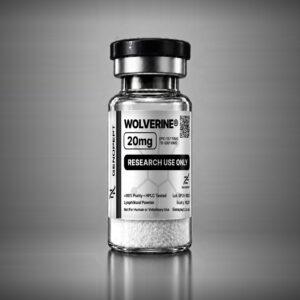
Wolverine Blend (BPC-157 + TB-500)
Repair & Recovery Research Price range: £17.00 through £49.00Clear4mg (2mg + 2mg)10mg (5mg + 5mg)20mg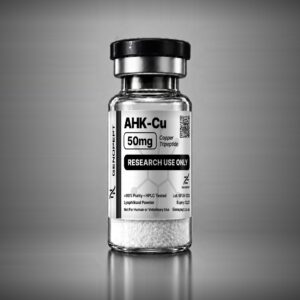
AHK-Cu (Copper Tripeptide-3)
Repair & Recovery Research Price range: £30.00 through £35.00Clear50mg100mg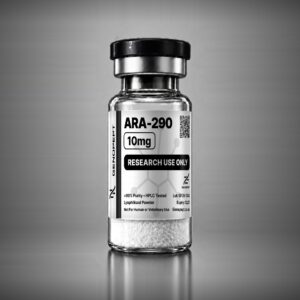
About Repair & Recovery Research at GenoPept
This range shares a research interest in how tissues respond to injury. BPC-157 and TB-500 are investigated for angiogenesis, cell migration and tendon, muscle and gut healing in preclinical models. GHK-Cu and AHK-Cu deliver copper to wound and collagen models. Thymosin Alpha-1, LL-37 and KPV are studied in immune, antimicrobial and anti-inflammatory signalling; ARA-290 is studied for tissue-protective erythropoietin receptor signalling.
Research fields served include tendon biology, wound-healing assays, gastrointestinal mucosal models, host-defence peptide research, cytoprotection models and copper-peptide biochemistry. Findings come from preclinical or published literature and do not describe effects in people. GenoPept supplies the range to UK universities, contract research organisations and independent researchers.
Compounds in this range
Tissue repair peptides
- BPC-157 (Body Protection Compound) – 15-amino-acid synthetic peptide from a gastric protective protein; studied in tendon, muscle, gut and vascular repair models. Sizes: 2mg, 5mg, 10mg, 20mg.
- TB-500 (Thymosin Beta-4 Fragment) – N-acetylated 7-amino-acid actin-binding fragment of thymosin beta-4; studied in cell migration and wound-healing assays. Sizes: 2mg, 5mg, 10mg, 20mg.
Copper peptides
- GHK-Cu (Copper Peptide) – copper(II) complex of Gly-His-Lys; studied in collagen synthesis and wound-healing models. Sizes: 50mg, 100mg.
- AHK-Cu (Copper Tripeptide-3) – copper(II) complex of Ala-His-Lys; studied in dermal papilla culture models. Sizes: 50mg, 100mg.
Immune and host-defence peptides
- Thymosin Alpha-1 (Tα1) – 28-amino-acid N-acetylated thymic peptide; studied in T-cell maturation and innate immune signalling models. Sizes: 2mg, 5mg, 10mg.
- LL-37 (Cathelicidin Antimicrobial Peptide) – 37-amino-acid cationic cathelicidin fragment; studied in antimicrobial and biofilm assays. Sizes: 5mg, 10mg.
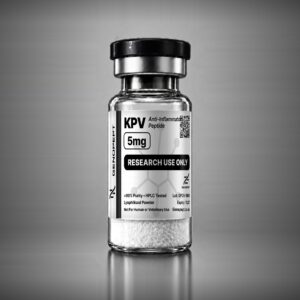
- KPV (Lys-Pro-Val) – Lys-Pro-Val tripeptide, C-terminal fragment of alpha-MSH; studied in intestinal inflammation models. Sizes: 5mg, 10mg.
Cytoprotective peptides
- ARA-290 (Cibinetide) 10mg – 11-amino-acid erythropoietin helix B-derived peptide (cibinetide); studied for innate repair receptor signalling in neuropathy models. Sizes: 10mg.
Research blends
- Wolverine Blend (BPC-157 + TB-500) – BPC-157 with TB-500 in one vial for co-investigation of two repair peptides. Sizes: 4mg (2mg + 2mg), 10mg (5mg + 5mg), 20mg.
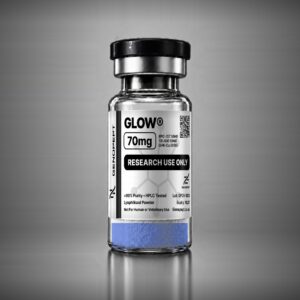
- GLOW Blend (BPC-157 + TB-500 + GHK-Cu) – BPC-157, TB-500 and GHK-Cu for skin and connective-tissue repair studies. Sizes: 70mg.
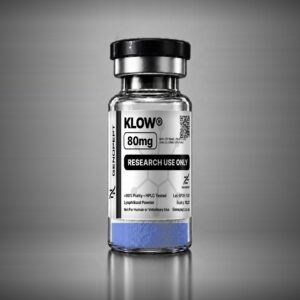
- KLOW Blend (BPC-157 + TB-500 + GHK-Cu + KPV) – BPC-157, TB-500, GHK-Cu and KPV for repair and inflammation co-investigation. Sizes: 80mg.
Choosing between repair peptides for research
BPC-157 and TB-500 are the most compared pair. BPC-157 is investigated for nitric oxide modulation, VEGFR2 signalling and growth-factor expression in gut and tendon models; TB-500 is studied for cell migration. Our BPC-157 vs TB-500 research comparison covers the distinction in detail.
The copper peptides differ in sequence rather than mechanism: GHK-Cu has the larger published record in collagen and wound models, while AHK-Cu appears mainly in dermal papilla culture work.
For immune questions, Thymosin Alpha-1 is studied for adaptive immune priming, LL-37 for antimicrobial and biofilm activity, and KPV for anti-inflammatory signalling. ARA-290 is a non-erythropoietic erythropoietin derivative studied through the innate repair receptor.
Blends suit protocols that co-investigate fixed ratios: Wolverine pairs BPC-157 and TB-500, GLOW adds GHK-Cu and KLOW adds KPV. Each product page states the per-vial composition.
Purity, testing and Certificates of Analysis
Every batch in the Repair & Recovery Research range is made to ≥99% purity and tested by an independent laboratory, Puralytix (ISO/IEC 17025 accredited). HPLC confirms purity and LC-MS confirms identity, and the results are recorded on a batch-specific Certificate of Analysis.
Each product page carries a "View Certificate of Analysis" button, and the full library is published at genopept.co.uk/coa-certificates. See also what a Certificate of Analysis shows.
Ordering research peptides in the UK
Most compounds come in several vial sizes. For larger programmes, bulk and wholesale boxes of 10 vials save 20–50% against single-vial pricing. Retail baskets earn automatic discounts: 5% over £300, 10% over £500, 15% over £1,000.
Orders are dispatched discreetly by tracked Royal Mail Special Delivery (£10, free on orders of £200 or more). Some lines ship on backorder (around 20 days from verified payment). We accept bank transfer and crypto; retail delivery is UK-only, with export by wholesale quote. Useful reading: BPC-157 research guide, TB-500 research guide, GHK-Cu research guide and how to reconstitute research peptides.
Repair & Recovery Research FAQs
What are repair and recovery research peptides?
They are peptides investigated in preclinical models of tissue repair, wound healing, inflammation and immune signalling. The GenoPept range includes BPC-157, TB-500, GHK-Cu, AHK-Cu, Thymosin Alpha-1, LL-37, KPV, ARA-290 and three blends, all supplied in the UK at ≥99% purity for in-vitro research only.
What is the difference between BPC-157 and TB-500?
BPC-157 is a 15-amino-acid peptide derived from a gastric protective protein, studied for angiogenesis and gut and tendon repair. TB-500 is a 7-amino-acid actin-binding fragment of thymosin beta-4 studied for cell migration and cytoskeletal remodelling. Researchers often co-investigate them, which is why GenoPept offers the Wolverine Blend.
How are these peptides tested?
Each batch is analysed by Puralytix, an independent ISO/IEC 17025 laboratory. HPLC verifies purity at 99% or higher and LC-MS confirms identity by molecular mass. The batch Certificate of Analysis is available on every product page and in the GenoPept COA library.
How should I store and reconstitute repair peptides?
Store unopened lyophilised vials at –20 °C long term, or 2–8 °C short term, protected from light. Reconstitute with bacteriostatic water or sterile diluent, adding solvent down the vial wall and swirling gently without shaking. Keep reconstituted vials at 2–8 °C and use within the protocol period.
Are repair peptides for human use?
No. Every product in this category is supplied for in-vitro laboratory research only. They are not medicines, are not approved for human or veterinary use, and are not intended for diagnostic or therapeutic purposes. GenoPept does not give dosing or administration guidance, and customers confirm at checkout that they are purchasing for legitimate research.
Research use only. All products in this category are supplied for in-vitro laboratory research only. They are not for human or veterinary use, are not medicines, and are not for diagnostic or therapeutic use. See our research use only policy and FAQs.